
Semiconductor Today Reports Our Latest PCSEL Research Progress
Semiconductor Today reports our triple-lattice photonic crystal structure and low-threshold 1550 nm PCSEL results, published in Light: Science & Applications.
Learn moreSemiconductor Today reports our triple-lattice photonic crystal structure and low-threshold 1550 nm PCSEL results, published in Light: Science & Applications.
Learn more
GC Light has achieved a major breakthrough in 940 nm photonic crystal surface-emitting laser development, demonstrating room-temperature continuous-wave output power exceeding 1 W.
Learn more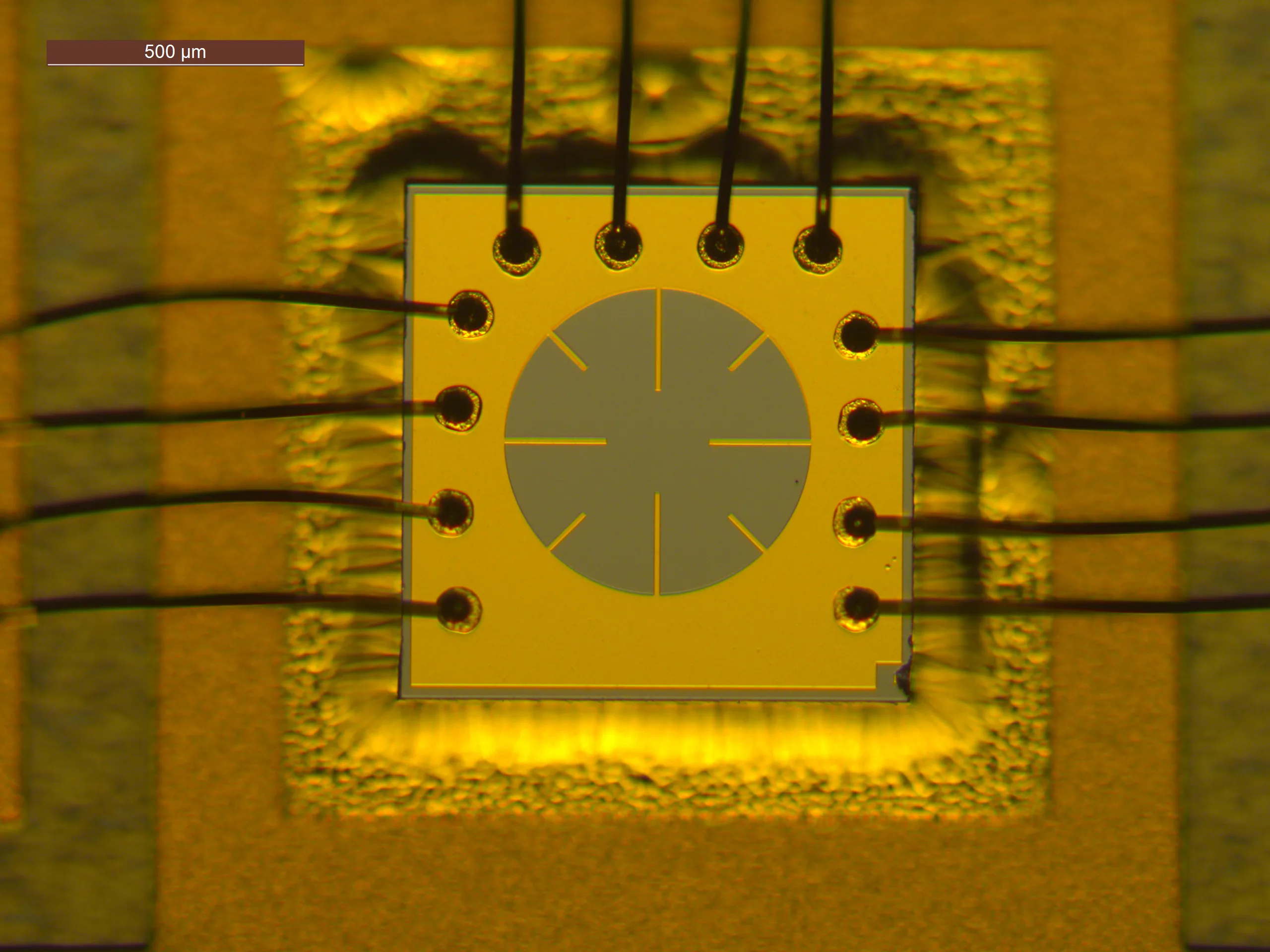
GC Light has raised the room-temperature CW output power of its reported 1.3 μm InAs/GaAs quantum-dot PCSEL to 200 mW, setting a new benchmark among comparable 1.3 μm devices.
Learn more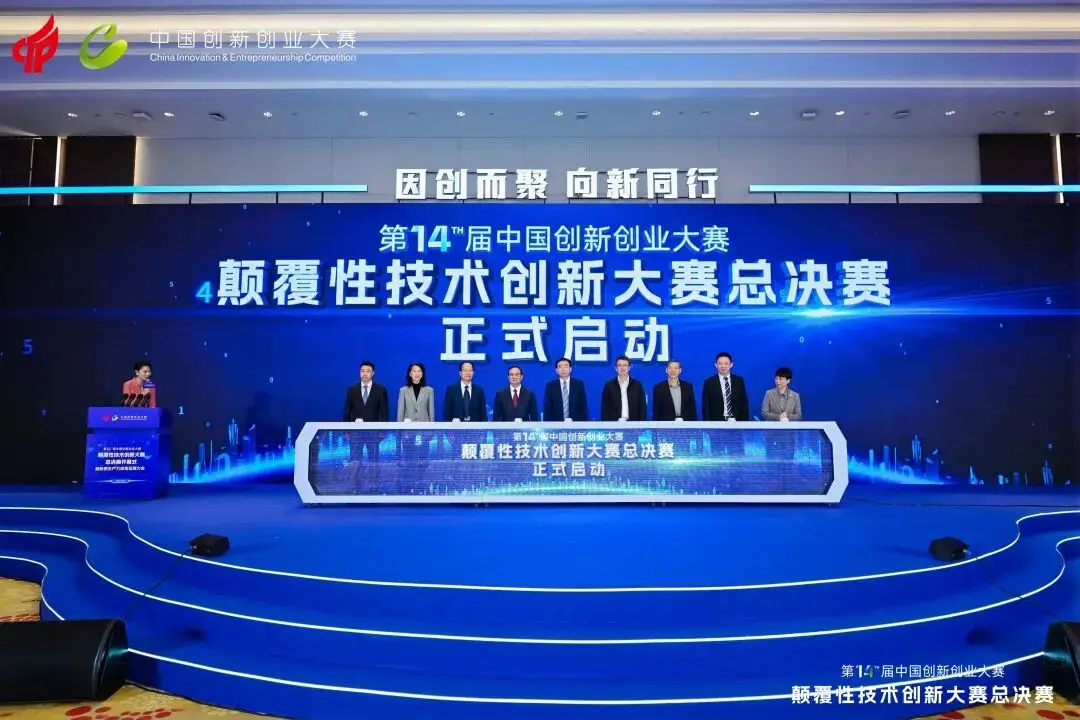
Our high-performance photonic crystal laser project won the national outstanding award, highlighting both technical breakthroughs and commercialization potential.
Learn more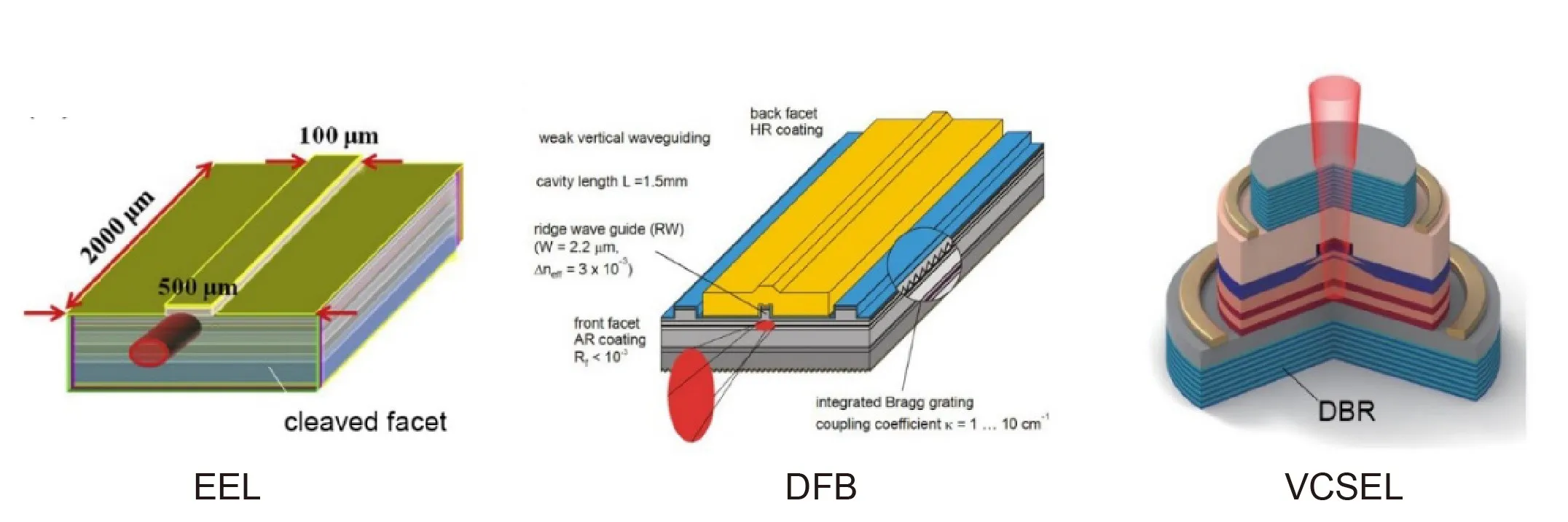
A technical overview of PCSELs (photonic crystal surface-emitting lasers), explaining their operating principles and advantages in brightness, linewidth, and beam shaping.
Learn more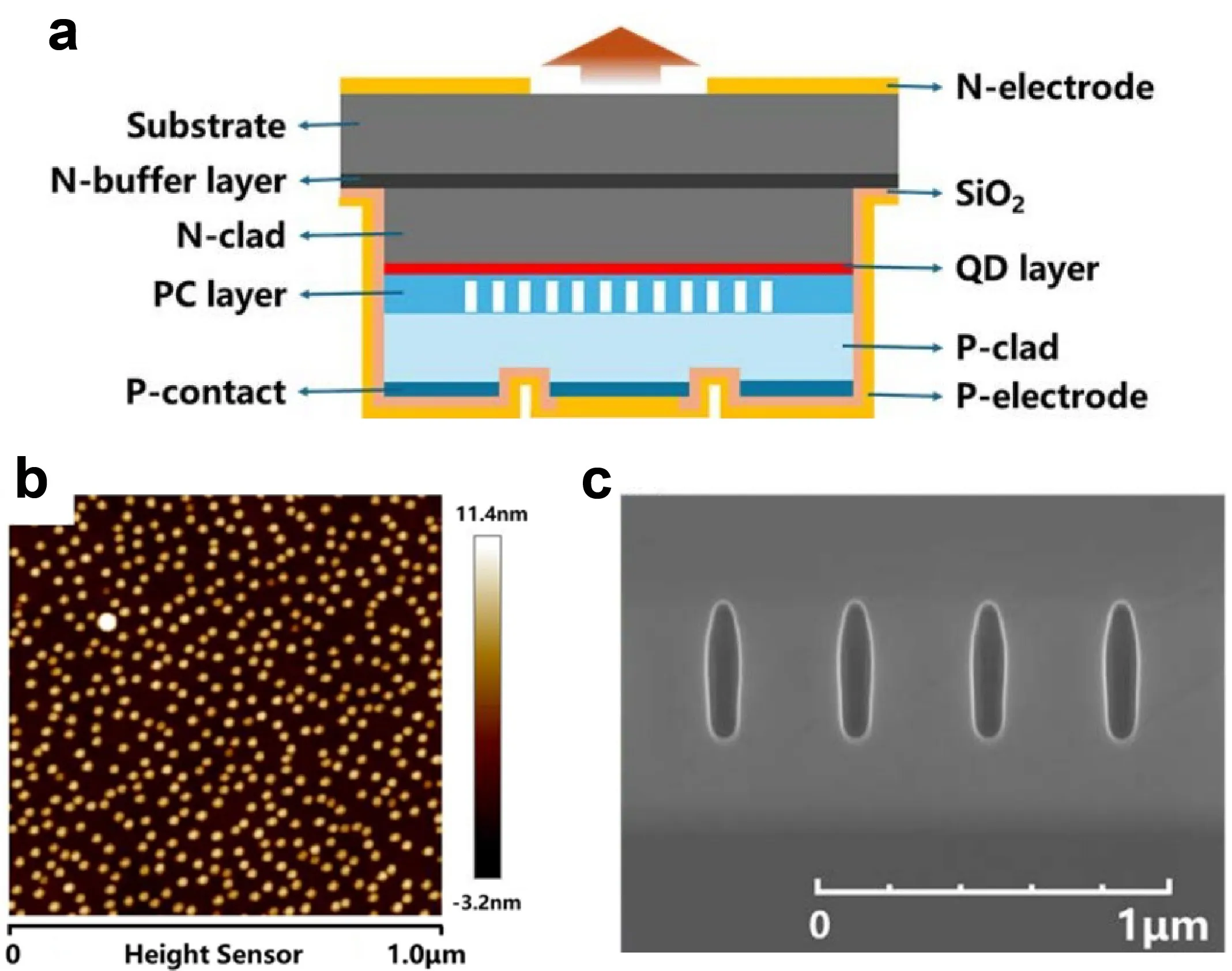
A triple-lattice photonic crystal enables the first room-temperature CW lasing of an InAs/GaAs QD PCSEL at 1.3 μm, demonstrating low threshold and narrow linewidth.
Learn more